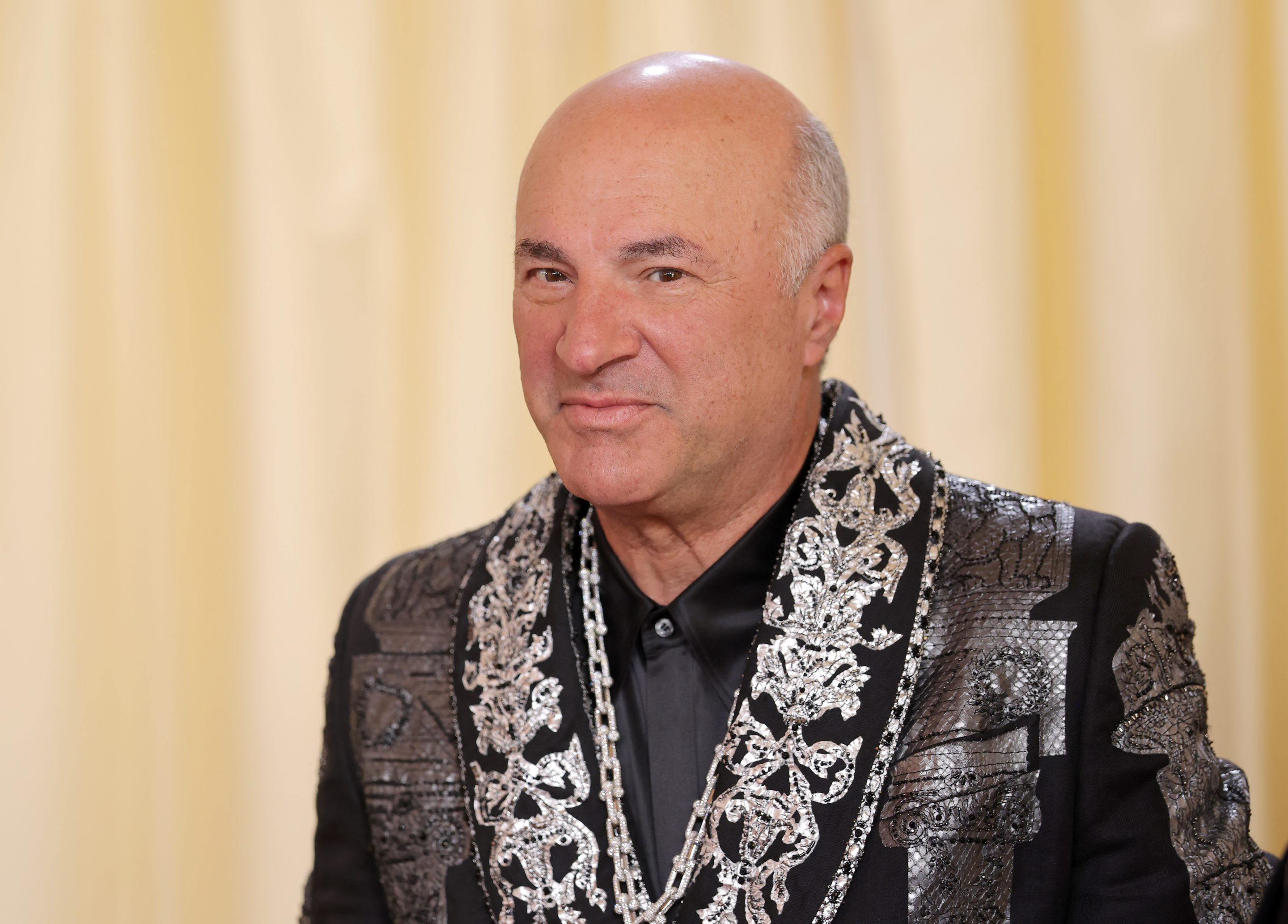
As Americans are barely getting by due to inflation, tariffs, and a cost-of-living crisis, saving for retirement can feel like the priority lowest on the totem pole. But multimillionaire serial investor and entrepreneur Kevin O’Leary says saving is more important than ever before. “What piece of advice do I give my kids over and over and over again about money?” the Shark Tank star questioned in an Instagram video earlier this year.
“Don’t spend it. Save it. Invest it.
Let it compound. That’s the gift the market gives you.” O’Leary’s golden rule of investing is straightforward: take 15% of every dollar earned and invest it directly in the market. For an average American worker earning $68,000 per year, this rule would theoretically make them a millionaire by retirement age.
O’Leary’s claim assumes consistent monthly contributions of $850 over 40 years, with an average S&P 500 return of 10%, resulting in a final portfolio worth approximately $5.3 million. Even with a conservative 7% return, the final amount would be around $2.2 million. However, real-world feasibility is questionable.
With a take-home pay of about $52,000 annually, after accounting for taxes, rent ($1,740), groceries ($400), student loans ($434), and utilities ($300), only about $726 remains for savings. O’Leary’s 15% rule would require investing $650 monthly, leaving only $150 for discretionary spending. Younger generations are advised to cut unnecessary expenses and prioritize investing.
This advice aligns with Warren Buffett’s recommendation to invest 10% in short-term bonds and 90% in a low-cost S&P 500 index fund. Financial advisor Suze Orman also stresses saving at least 10% of earnings, suggesting a potential shift to a later retirement age due to rising healthcare costs and longer life expectancies.
Source: Fortune